
France is more than its glamorous cities and iconic landmarks. Beyond the glitz of Paris and the sun-soaked glamour of the Riviera lie its charming old towns and villages, where time seems to stand still and history comes alive. Whether nestled in the mountains, perched on cliffs, or surrounded by vineyards, these places offer a glimpse into the authentic side of France. In this article, we will explore the best old towns and villages in France, based on their beauty, heritage, and atmosphere.
To select the best French old towns and villages, we used a combination of different sources and factors. First, we consulted reputable travel guides to see which places they recommended. Second, we examined the official list of ‘Les Plus Beaux Villages de France’, an association that recognizes the country’s most beautiful villages with a rich cultural heritage. Third, we checked if any places were listed on UNESCO’s World Heritage Sites, which signifies their outstanding universal value. Fourth, we considered the popularity and appeal of these towns on social media. Based on these criteria, we narrowed down our list to the following 10 old towns and villages in France that you should not miss.
1. Gordes, Provence-Alpes-Côte d’Azur
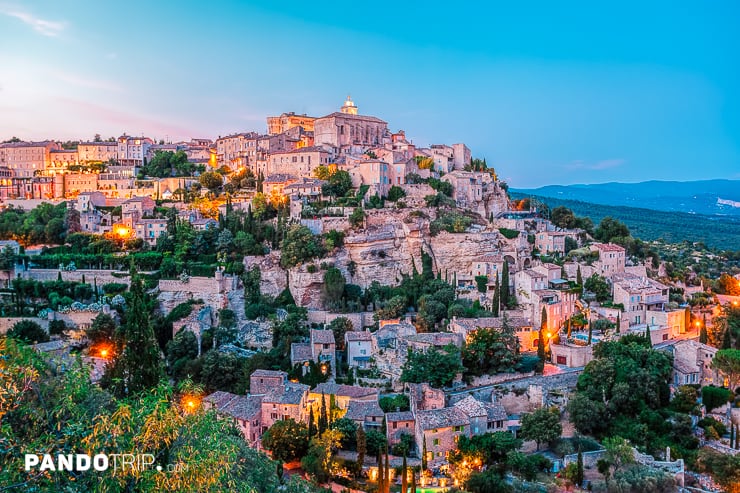
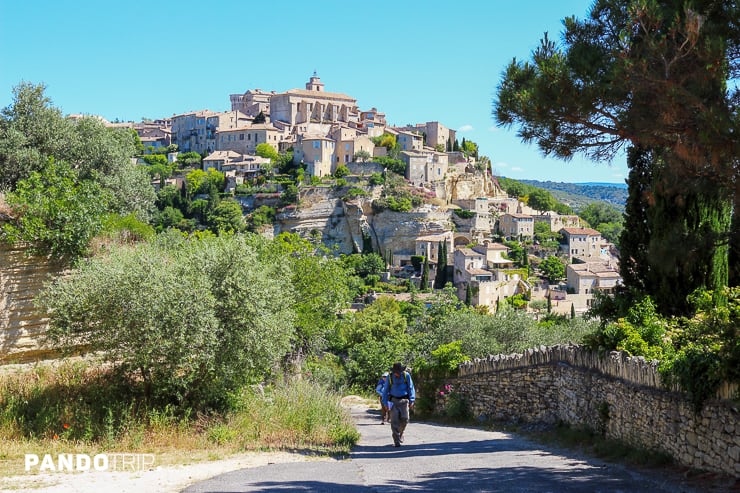
Built on the foothills of the Monts of Vaucluse, Gordes is one of the most famous villages in Provence. Its houses and buildings, made of flat local stones known as ‘lauze’, ascend the hillside, giving the village a beige-white hue that gleams in the Provencal sun. The houses are built on multiple levels, following the contour of the mountain, making Gordes a terraced village.
It’s not just the stunning view of Gordes as you approach it – exploring Gordes from within, along its narrow alleyways and arcades, is also a delight. While strolling around the tiny streets, you will discover many beautiful old houses. The town’s buildings are a mixture of Roman, Gothic and Renaissance styles, and many of them have been well preserved over the years.
The village is dominated by its church and castle. The Chateau de Gordes castle was originally built in the 10th century and remodeled in the Renaissance style in the 16th century. Constructed in the 18th century, Eglise Saint Firmin is a beautiful church dedicated to Saint Firmin, the patron saint of the village. Its construction was initiated by a patron saint because the only medieval church in the town was always overcrowded.
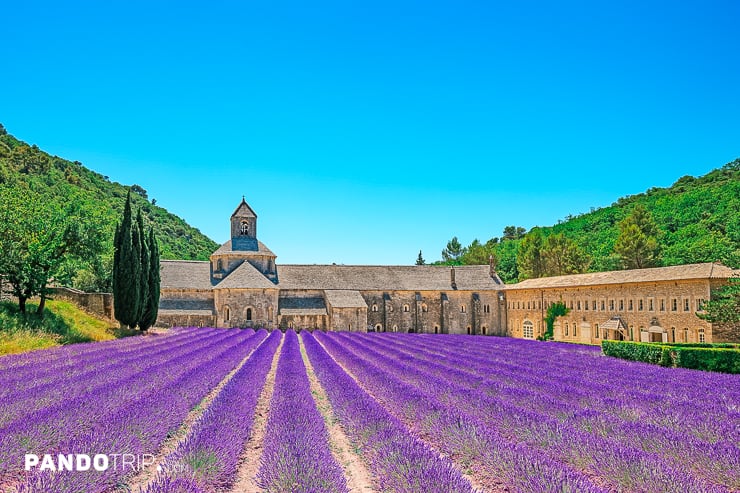
Just a few kilometers from Gordes, you can find the Sénanque Abbey, a 12th-century Cistercian abbey that is still active today. It is most famous for the stunning lavender fields that surround it, a sight that has become synonymous with Provence, especially during the blooming season in July.
2. Annecy, Auvergne-Rhône-Alpes
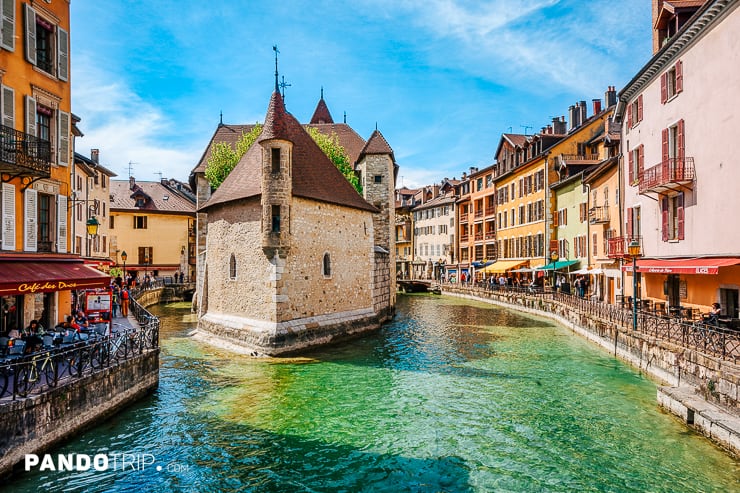
Annecy is an alpine town located between gorgeous Lake Annecy and the snow-capped mountains of the French Alps. Only a few towns in France can boast of being situated against such a beautiful backdrop.
Annecy’s charm lies in its Old Town, or Vieille Ville. With its lovely canals, flower-bedecked embankments, charming little bridges and beautiful houses with colorful facades, Annecy truly deserves its nickname, the Venice of the Alps.
In the heart of the old town lies the Palais de l’île – undoubtedly one of the most emblematic and photographed places in Annecy. Listed as a historic monument in 1900, the building resembles a house in the shape of a ship. Near this symbolic 12th-century building, Sainte-Claire street is another must-visit spot in the town. The street is lined with stone arcades, providing shelter to pedestrians in foul weather. These arcades take the form of arches supported by columns.
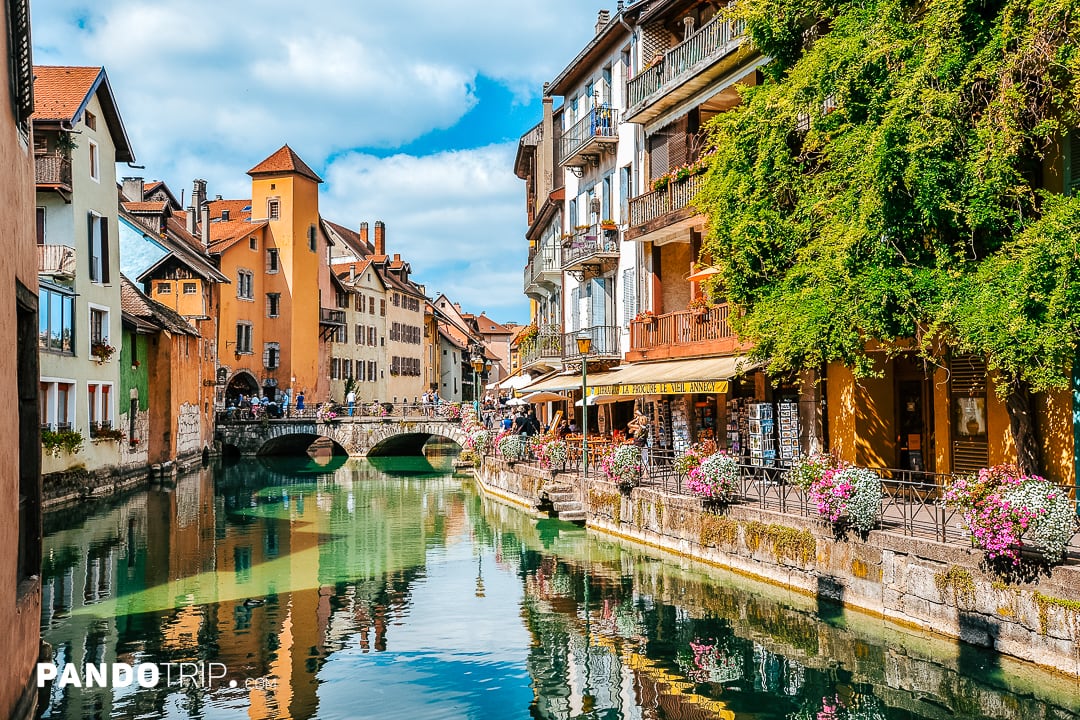
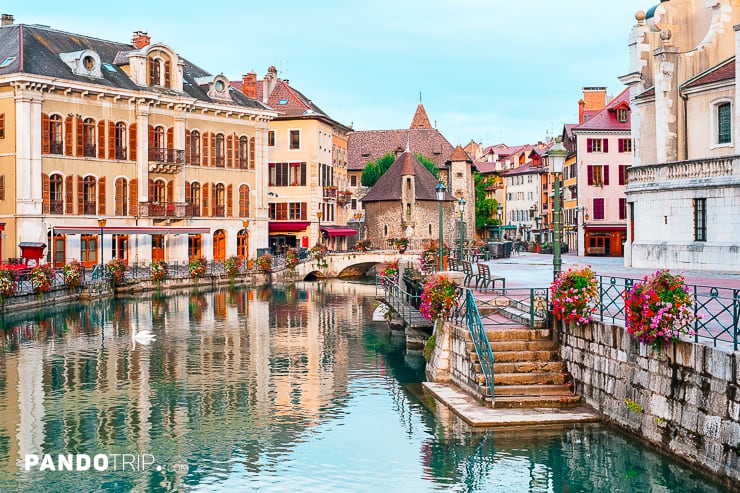
The old town is also home to the 13th-century Château d’Annecy. This imposing castle is majestically perched atop a hill, overlooking the Old Town of Annecy and its lake. Vieille Ville also showcases Annecy’s religious heritage. Here, one can find iconic bell towers such as those of the Church of Notre-Dame-de-Liesse, the Basilica of the Order of the Visitation, and the Saint-Pierre Cathedral.
3. Colmar, Grand Est
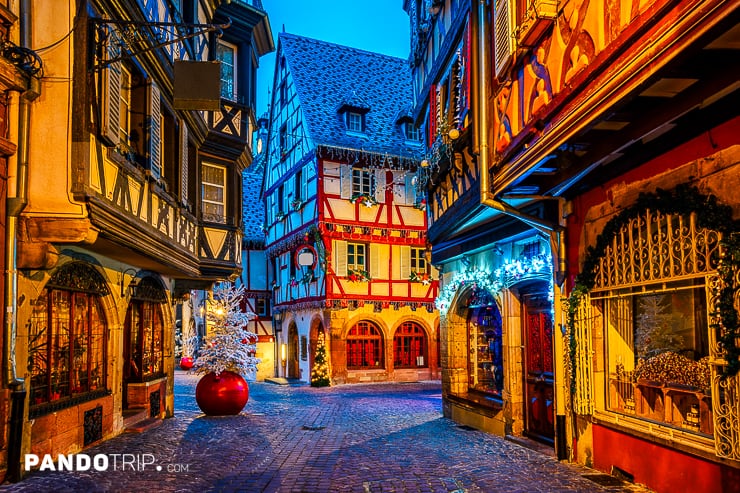
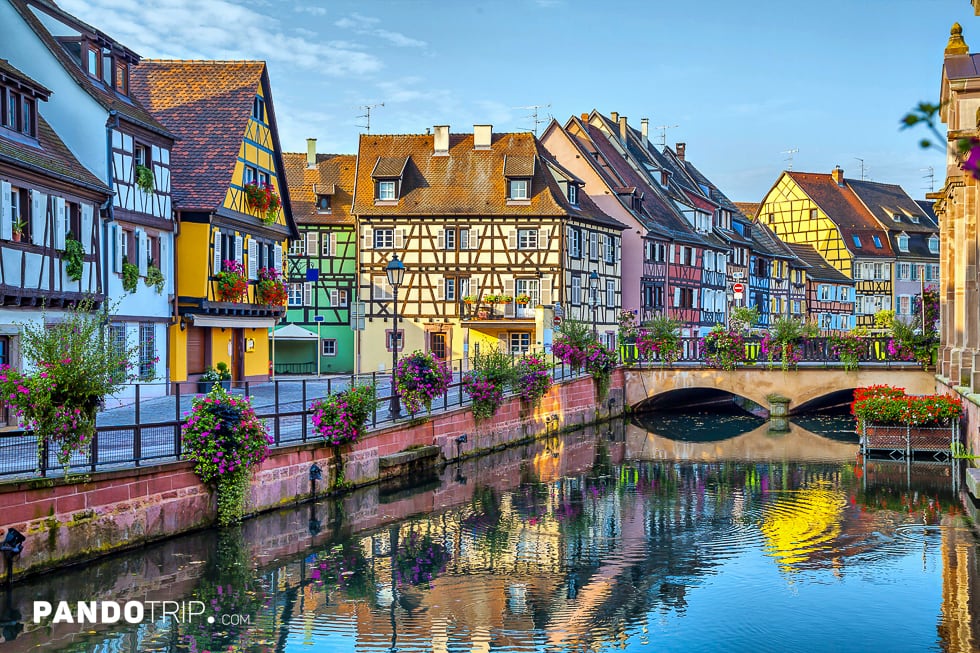
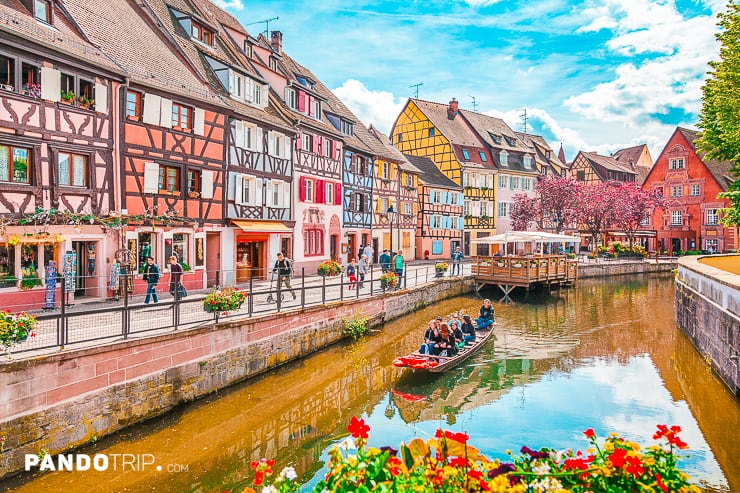
Located in the Alsace region along the border between France and Germany, Colmar is known for its colorful houses, romantic canals, flower-filled windowsills, and cobblestone alleys.
The old town of Colmar offers an enchanting blend of German and French cultures, featuring half-timbered medieval and early Renaissance buildings that have been remarkably well preserved. The most picturesque part of the town is known as ‘Little Venice’, with charming buildings lining the waterside. However, it would arguably be more accurate to refer to it as “Little Bruges” because, unlike Venice, there is only one river, the picturesque Lauch, serving the neighborhood.
One of the most iconic spots in the old town is the Quai de la Poissonnerie, also known as the Fishmonger’s Quay, where most of Colmar’s professional fishermen and boatmen once resided. Today, this area is a bustling spot filled with restaurants and boutiques. The Tanner Quarter is another photo-worthy spot in Colmar. The district comprises tall houses with white facades, most of which date back to the 17th and 18th centuries. These buildings once housed families of tanners who lived and worked there, drying the furs on the top floor in the attics.
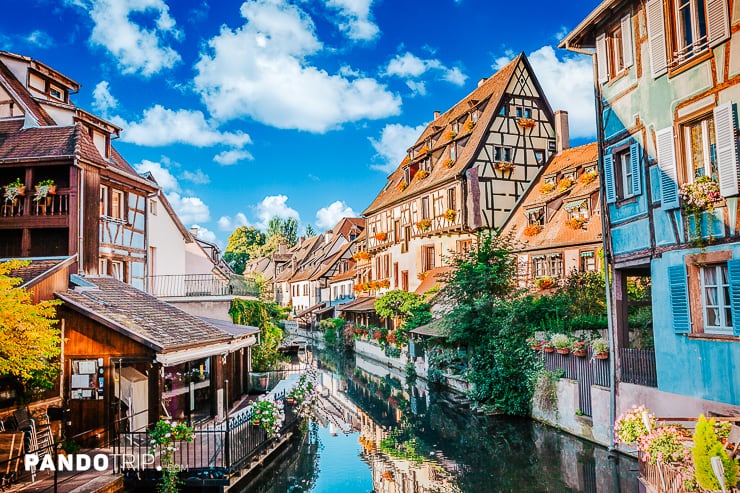
During winter, Colmar hosts one of the most popular Christmas markets in France. The streets and squares of the old town are transformed into a festive wonderland, featuring hundreds of stalls selling crafts, food, and, of course, mulled wine.
Colmar also serves as an important hub for the Alsace wine region, celebrated for its Riesling, Gewürztraminer, and Pinot Gris wines. The town is a popular starting point for the Alsace Wine Route, a scenic journey through vineyards and picturesque villages.
4. Carcassonne, Occitanie
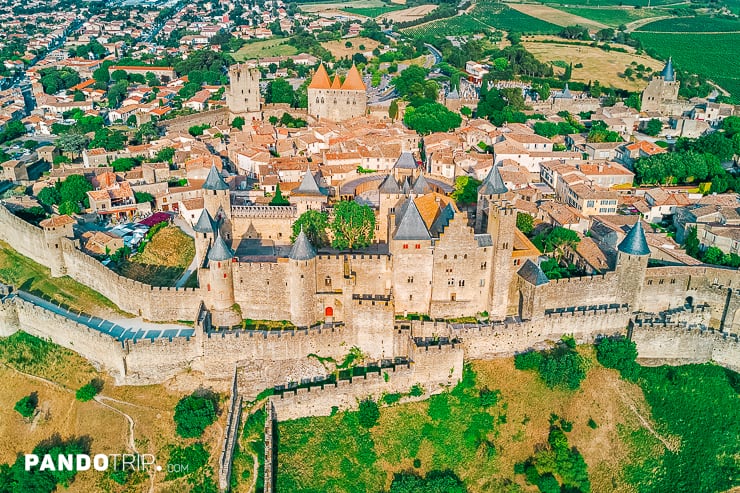
Carcassonne is a city in the Occitanie region of southern France. The city is essentially divided by the Aude River into two parts: the Cité de Carcassonne (upper town) and the Ville Basse (lower town). The Cité is an incredible journey back in time, while the Ville Basse offers a more typical small town experience with its own historical charm. The combination of the two makes Carcassonne a fascinating destination.
The Cité de Carcassonne, the older part of the city, is one of the best examples of medieval fortifications in Europe. Situated on a hill, it’s completely fortified with double defensive walls surrounding the city. Within its walls you’ll find narrow, winding streets, old stone houses, the impressive Château Comtal and the Basilica of Saints Nazarius and Celsus. This part of Carcassonne is remarkably well preserved and is listed as a UNESCO World Heritage Site.
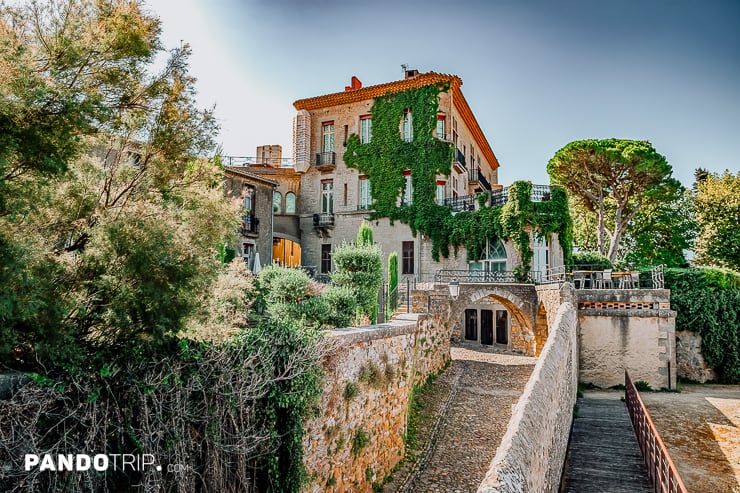
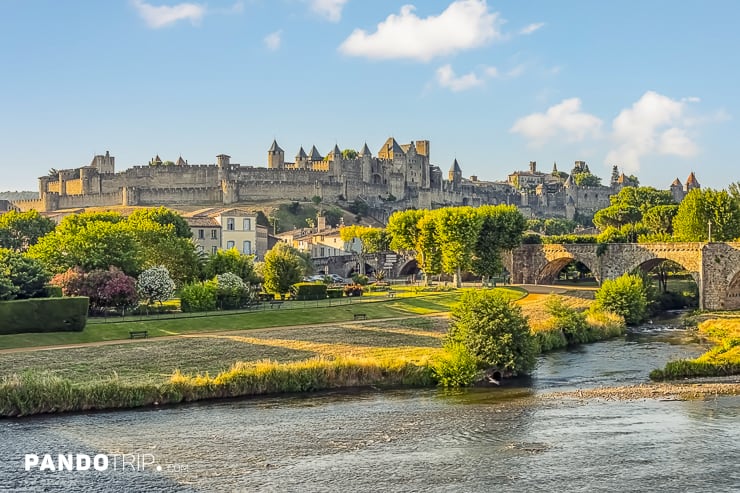
Outside the walls, the Lower Town or “Ville Basse”, also known as the Bastide Saint-Louis, is the more modern part of the city. It was founded in the 13th century, which is still quite old by most standards, but it’s much newer than the Cité. The Ville Basse follows a planned “bastide” layout, with streets arranged in a grid pattern. This part of the city has its own attractions, including Saint Michael’s Cathedral and the 18th century covered market.
5. Saint-Malo, Brittany
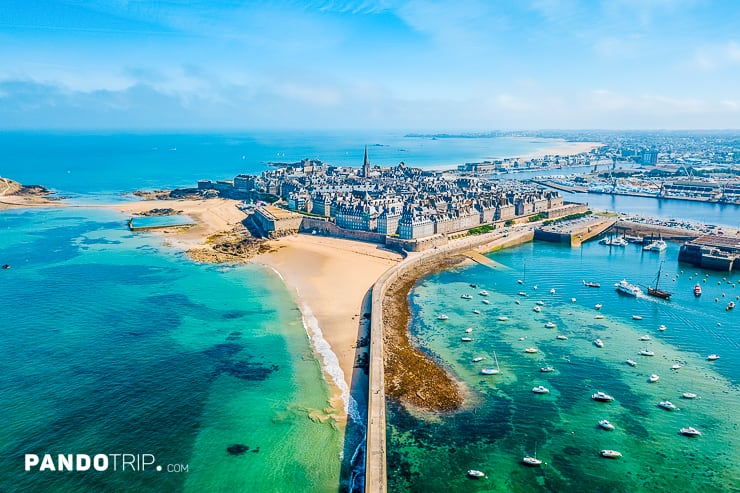
Saint-Malo is a historic port town in Brittany, also known as the Corsaire town. The town was once famous for the many corsairs who plundered and attacked ships. Unlike pirates, these corsairs served the king and focused their attacks on foreign fleets only. After their raids, they would return to the safe harbors of Saint-Malo to avoid retaliation from their enemies.
The strategic design of Saint-Malo made it a perfect hideaway. The city was built to be nearly impregnable, with enormous walls to protect it from outside invaders. The Walls of Saint-Malo, also known as the Saint-Malo Ramparts, are one of the city’s defining features. The construction of these ramparts began in the 12th century and continued to be expanded and reinforced until the 18th century. The walls enclose the entirety of the old part of Saint-Malo, forming a 1.8-kilometer circuit. The Ramparts themselves are accessible, with a walkway running atop them that offers magnificent views of the old town on one side and the sea with nearby islands on the other.
The Ramparts of Saint-Malo define the old town, known as Intra Muros or “within the walls”. The Intra-Muros district feels somewhat different from other old European towns. Its buildings are taller and larger, made of grey granite, creating a unique, perhaps austere, but beautiful atmosphere. Key landmarks within the walls include the Saint-Malo Castle, the Cathedral of St. Vincent, and the Saint-Aaron Chapel.
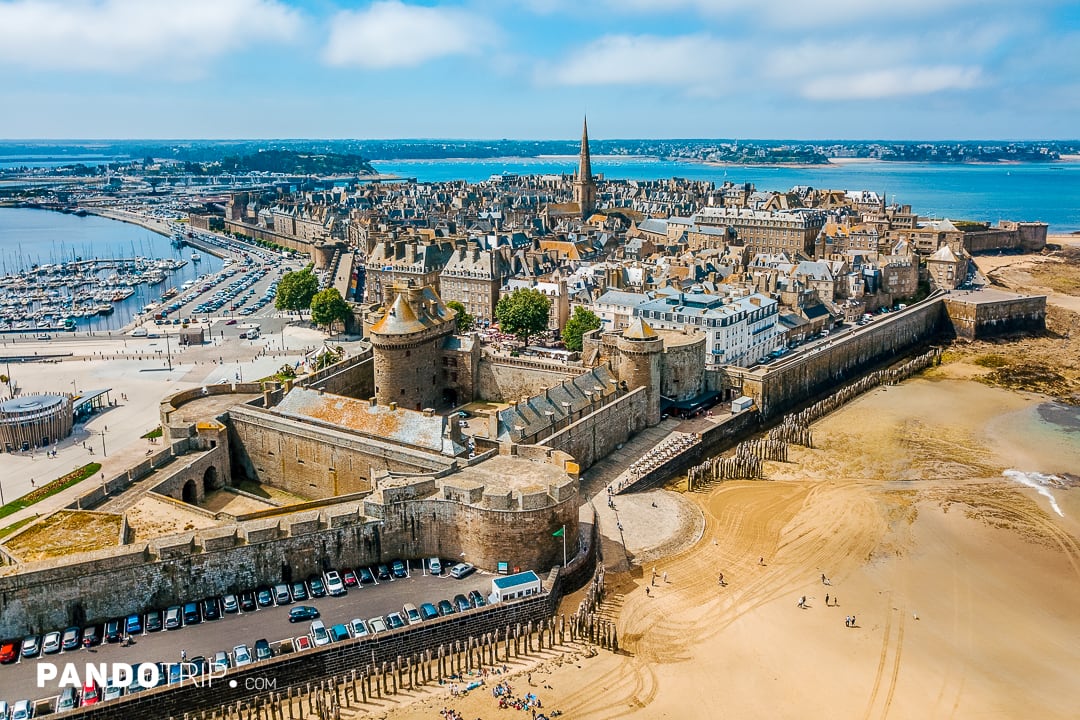
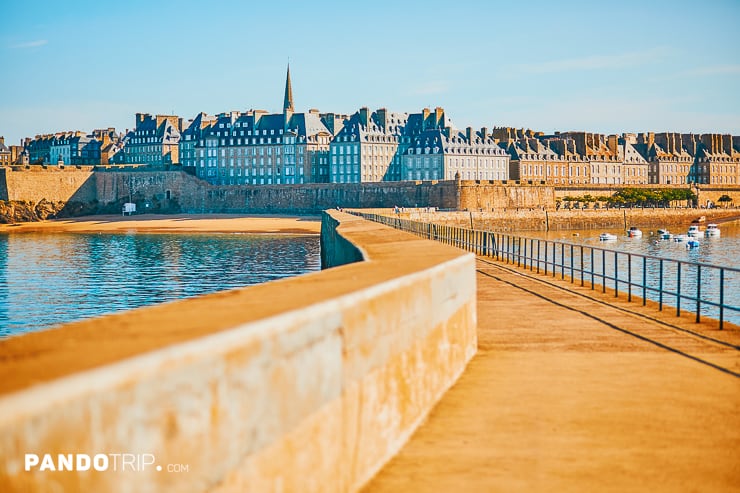
It’s important to note that during World War II, most of Saint-Malo’s buildings were destroyed. However, after the war, the old town was completely rebuilt, with almost every building reconstructed in its original style. When visiting Old Saint-Malo, you likely won’t even realize that these aren’t the original buildings, but rather meticulously rebuilt versions of them.
TO BE CONTINUED...
Comments (2)